Focus on the BIG picture.
Thursday, Jan 22, 2026
Outside the box.


Australian Debate Intensifies Over Invitation to Donald Trump’s ‘Board of Peace’
As world leaders weigh participation, critics in Australia warn of risks and diminishing strategic value in joining Trump’s global initiative
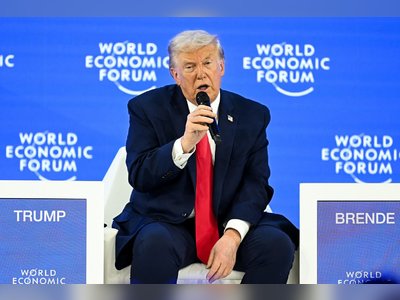
Australia has been invited to join a newly proposed international “Board of Peace” led by United States President Donald Trump, a body intended to help steer post-ceasefire reconstruction in Gaza and potentially address other global conflicts.
Trump’s administration has dispatched letters and a draft charter to around sixty governments, offering three-year membership terms and the option of permanent status for those contributing substantial funds.
Hungary’s Prime Minister Viktor Orbán has already accepted a founding role, underscoring the high-profile nature of the initiative.
Trump has described the Board of Peace as bringing together influential leaders to pursue stability and enduring peace in areas affected or threatened by conflict.
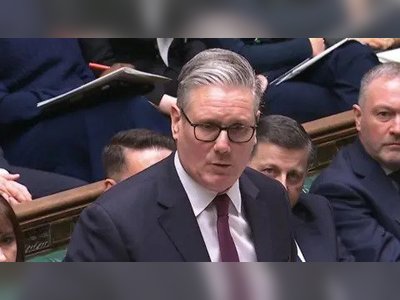
Prime Minister Anthony Albanese confirmed that he has received correspondence from President Trump but said Australia has not yet had time to review the proposal in detail.
Deputy Prime Minister Richard Marles said Canberra welcomes the invitation and is engaging with the United States to fully understand what participation would entail, while emphasizing Australia’s interest in advancing peace and rebuilding efforts in the Middle East.
Other governments have responded with caution or sought clarification on the Board’s remit, governance and relationship with existing United Nations mechanisms.
Within Australia, debate over the invitation has sharpened.
Some commentators and legal experts argue that there is little tangible benefit for Australia in joining the Board of Peace and that involvement could carry reputational and strategic risks.
They highlight concerns about the Board’s composition, governance and broad mandate, which critics say lacks clear safeguards for international law and multilateral oversight.
Suggested risks include potential alignment with autocratic figures and dilution of Australia’s independent foreign policy, as well as perceptions of circumvention of established international institutions.
One academic asserted that membership could signal acquiescence to unchecked superpower influence rather than genuine multilateral cooperation.
Political voices in Australia reflect a range of views.
While the federal government pursues careful evaluation and consultation with allies, opposition figures and civil society representatives have urged skepticism.
Some former officials and party spokespeople have argued that Australia should focus on supporting traditional multilateral frameworks like the United Nations rather than engaging in ad hoc groupings with uncertain purpose and leadership.
Diplomats say Canberra is also consulting like-minded democracies to coordinate responses and ensure Australia’s decisions reinforce its long-standing commitment to the rules-based international order.
The Board of Peace’s draft charter, which envisages long-term engagement beyond Gaza reconstruction, has attracted scrutiny internationally.
Some governments have responded cautiously to invitations, with only a handful of acceptances to date.
As Australia continues its deliberations, officials stress that any decision will be guided by national interest, alliance considerations and the potential implications for Australia’s global standing and security partnerships.
Trump’s administration has dispatched letters and a draft charter to around sixty governments, offering three-year membership terms and the option of permanent status for those contributing substantial funds.
Hungary’s Prime Minister Viktor Orbán has already accepted a founding role, underscoring the high-profile nature of the initiative.
Trump has described the Board of Peace as bringing together influential leaders to pursue stability and enduring peace in areas affected or threatened by conflict.
Prime Minister Anthony Albanese confirmed that he has received correspondence from President Trump but said Australia has not yet had time to review the proposal in detail.
Deputy Prime Minister Richard Marles said Canberra welcomes the invitation and is engaging with the United States to fully understand what participation would entail, while emphasizing Australia’s interest in advancing peace and rebuilding efforts in the Middle East.
Other governments have responded with caution or sought clarification on the Board’s remit, governance and relationship with existing United Nations mechanisms.
Within Australia, debate over the invitation has sharpened.
Some commentators and legal experts argue that there is little tangible benefit for Australia in joining the Board of Peace and that involvement could carry reputational and strategic risks.
They highlight concerns about the Board’s composition, governance and broad mandate, which critics say lacks clear safeguards for international law and multilateral oversight.
Suggested risks include potential alignment with autocratic figures and dilution of Australia’s independent foreign policy, as well as perceptions of circumvention of established international institutions.
One academic asserted that membership could signal acquiescence to unchecked superpower influence rather than genuine multilateral cooperation.
Political voices in Australia reflect a range of views.
While the federal government pursues careful evaluation and consultation with allies, opposition figures and civil society representatives have urged skepticism.
Some former officials and party spokespeople have argued that Australia should focus on supporting traditional multilateral frameworks like the United Nations rather than engaging in ad hoc groupings with uncertain purpose and leadership.
Diplomats say Canberra is also consulting like-minded democracies to coordinate responses and ensure Australia’s decisions reinforce its long-standing commitment to the rules-based international order.
The Board of Peace’s draft charter, which envisages long-term engagement beyond Gaza reconstruction, has attracted scrutiny internationally.
Some governments have responded cautiously to invitations, with only a handful of acceptances to date.
As Australia continues its deliberations, officials stress that any decision will be guided by national interest, alliance considerations and the potential implications for Australia’s global standing and security partnerships.