Focus on the BIG picture.
Thursday, Jan 22, 2026
Outside the box.

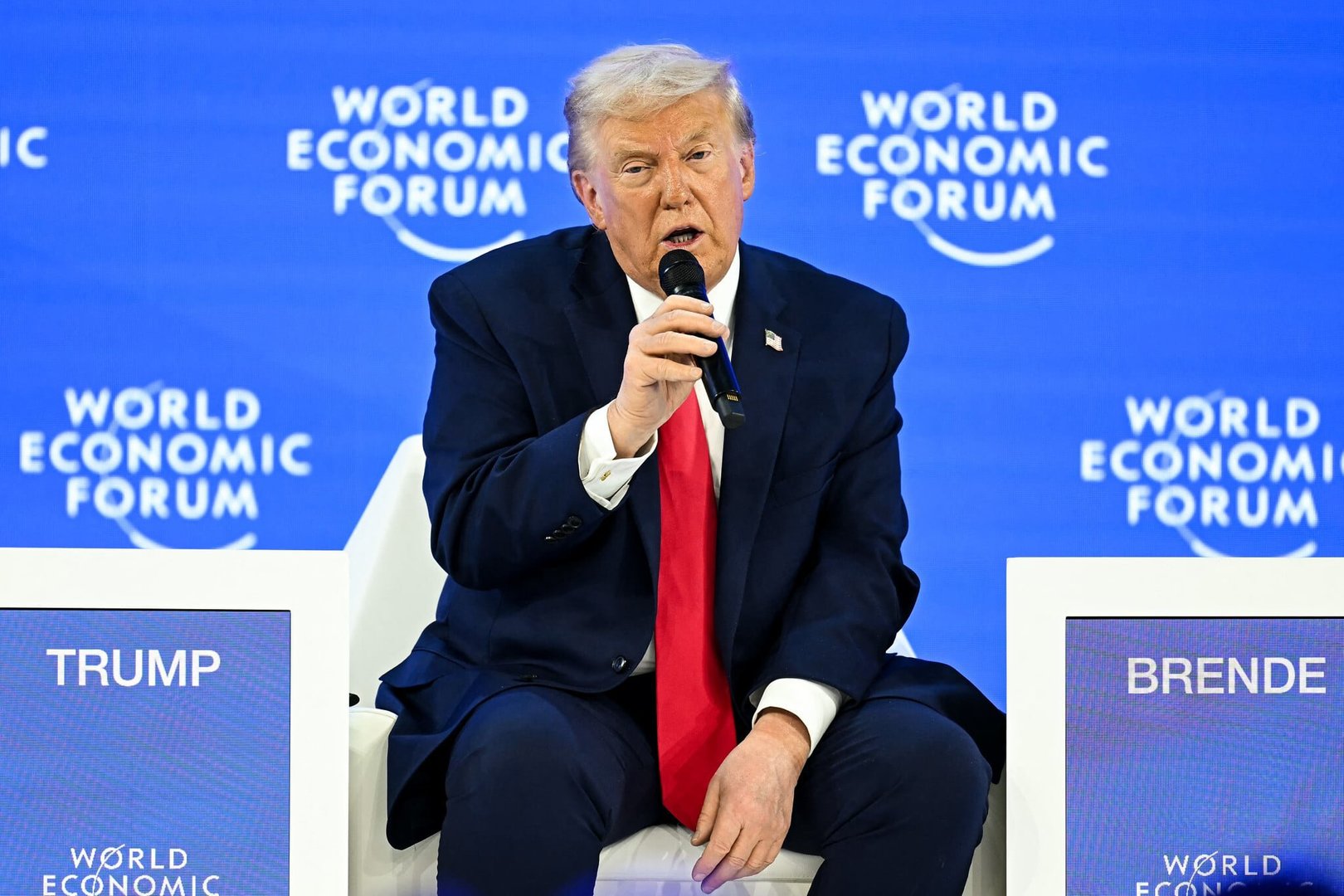
Eight Muslim-Majority Nations Confirm Support for Trump’s Expanded Board of Peace Initiative
Saudi Arabia, Turkey, Egypt, Jordan, Indonesia, Pakistan, Qatar and the UAE align with U.S. peace architecture initially focused on Gaza reconstruction
A group of eight Muslim-majority states has publicly aligned itself with the United States’ newly formed international “Board of Peace,” an initiative announced by former U.S. President Donald Trump to guide post-conflict governance and reconstruction efforts in Gaza and potentially broader conflict mediation.
Saudi Arabia, Turkey, Egypt, Jordan, Indonesia, Pakistan, Qatar and the United Arab Emirates have confirmed their participation, marking a significant bloc of support from across the Middle East and Southeast Asia for the board’s diplomatic agenda.
The Board of Peace was formally launched on 15 January 2026 and is advertised by its proponents as a fresh multilateral mechanism to promote stability and lawful governance in areas emerging from conflict.
Trump has framed the initiative as a complementary platform to existing international institutions, with membership open to states that accept invitations extended by Washington.
The participation of the eight Muslim-majority countries reflects sustained engagement with the Gaza peace framework that Trump first articulated in late 2025, when their foreign ministers issued a rare joint statement endorsing his proposals to end the Gaza conflict, prevent the displacement of Palestinians and rebuild the territory.
That 2025 declaration underscored their confidence in Trump’s “leadership and sincere efforts” toward peace and expressed readiness to work constructively with the United States and other parties.
While the board’s precise remit and long-term scope continue to be defined, its initial focus is on implementing aspects of the post-ceasefire plan agreed at the Gaza International Peace Summit in Sharm el-Sheikh, including administrative transition and reconstruction.
Trump has also signalled ambition for the body to assume a broader role in resolving conflicts beyond Gaza’s borders, extending its mandate into general global peacemaking.
Participation by these nations may enhance the board’s legitimacy in the Muslim world and bolster multilateral support for its objectives.
However, some Western countries have declined to join or remain undecided, leaving the ultimate membership and influence of the board to unfold in coming months.
Saudi Arabia, Turkey, Egypt, Jordan, Indonesia, Pakistan, Qatar and the United Arab Emirates have confirmed their participation, marking a significant bloc of support from across the Middle East and Southeast Asia for the board’s diplomatic agenda.
The Board of Peace was formally launched on 15 January 2026 and is advertised by its proponents as a fresh multilateral mechanism to promote stability and lawful governance in areas emerging from conflict.
Trump has framed the initiative as a complementary platform to existing international institutions, with membership open to states that accept invitations extended by Washington.
The participation of the eight Muslim-majority countries reflects sustained engagement with the Gaza peace framework that Trump first articulated in late 2025, when their foreign ministers issued a rare joint statement endorsing his proposals to end the Gaza conflict, prevent the displacement of Palestinians and rebuild the territory.
That 2025 declaration underscored their confidence in Trump’s “leadership and sincere efforts” toward peace and expressed readiness to work constructively with the United States and other parties.
While the board’s precise remit and long-term scope continue to be defined, its initial focus is on implementing aspects of the post-ceasefire plan agreed at the Gaza International Peace Summit in Sharm el-Sheikh, including administrative transition and reconstruction.
Trump has also signalled ambition for the body to assume a broader role in resolving conflicts beyond Gaza’s borders, extending its mandate into general global peacemaking.
Participation by these nations may enhance the board’s legitimacy in the Muslim world and bolster multilateral support for its objectives.
However, some Western countries have declined to join or remain undecided, leaving the ultimate membership and influence of the board to unfold in coming months.