Focus on the BIG picture.
Friday, Mar 20, 2026
Outside the box.

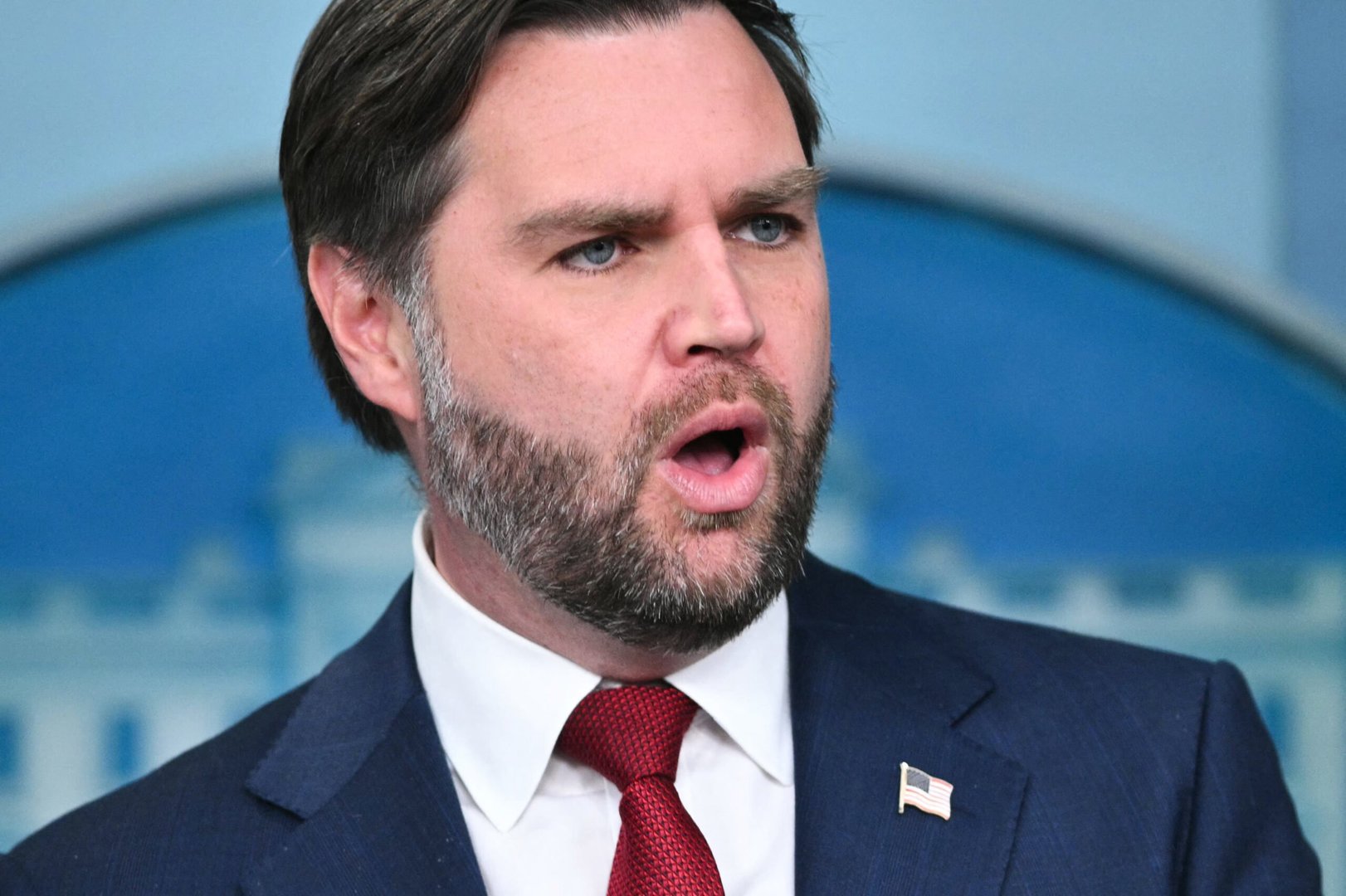
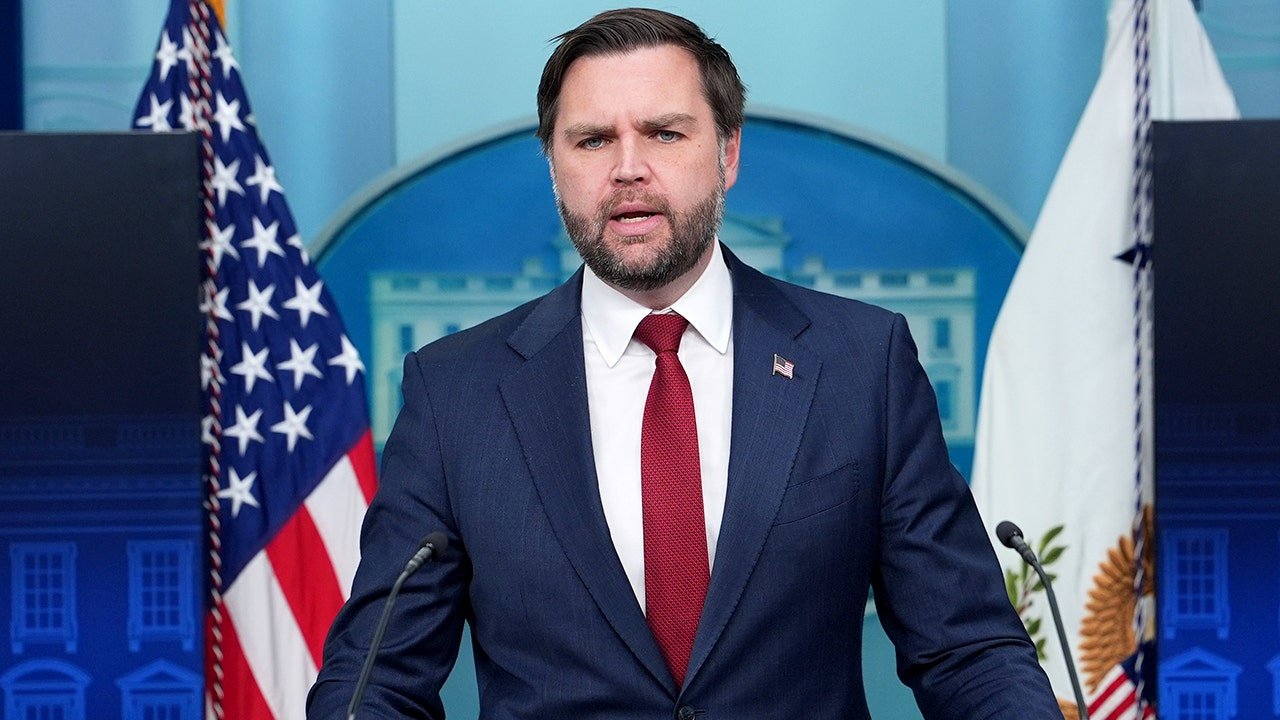
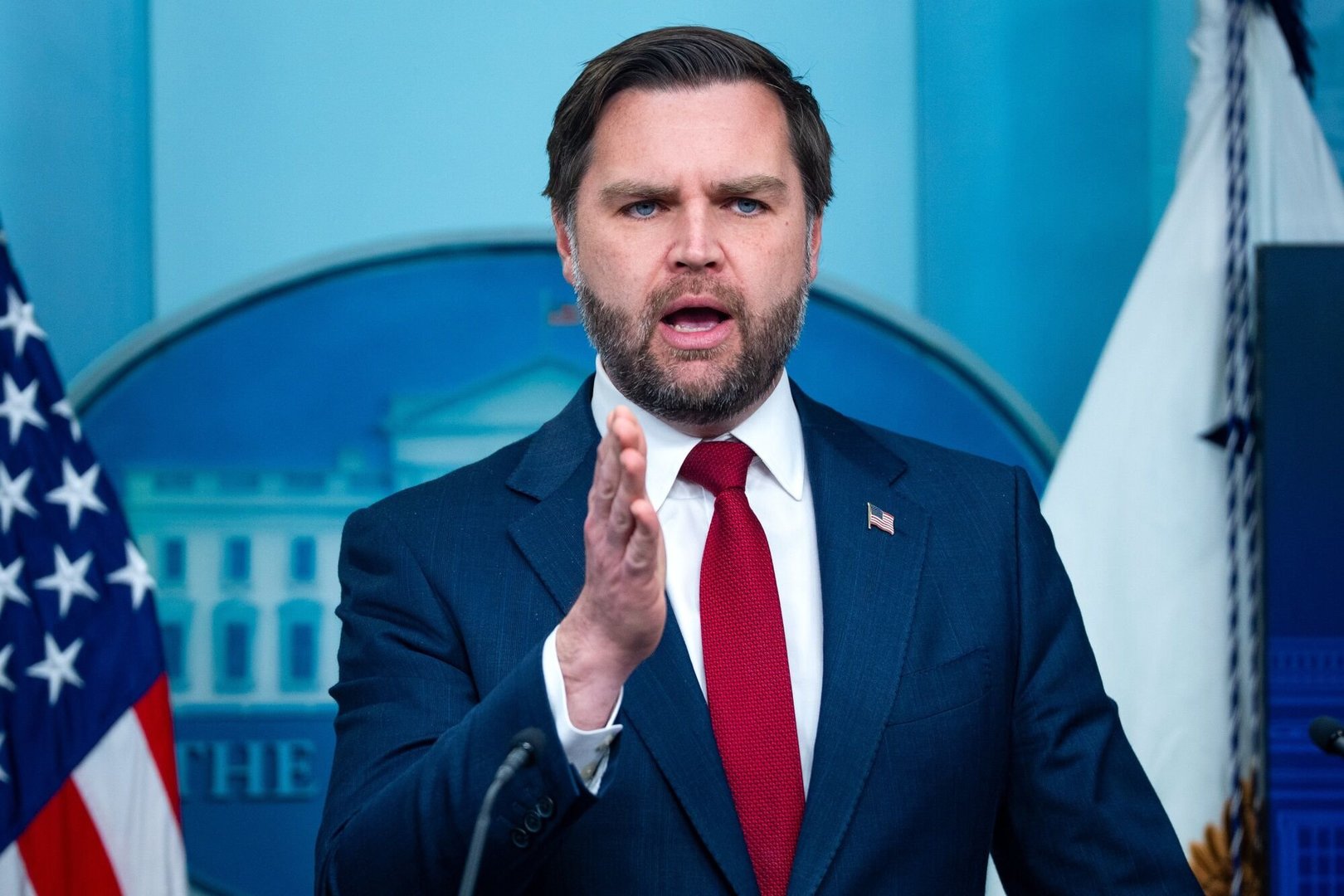
DOJ Internal Memo Undercuts Vance’s Claims on White House-Controlled Fraud Unit
Justice Department correspondence reveals that the new national fraud division’s structure differs from Vice President Vance’s public assertions of direct White House command
An internal Justice Department communication has emerged that appears to contradict public statements by Vice President J.D. Vance about the reporting structure of a newly announced national fraud enforcement division.
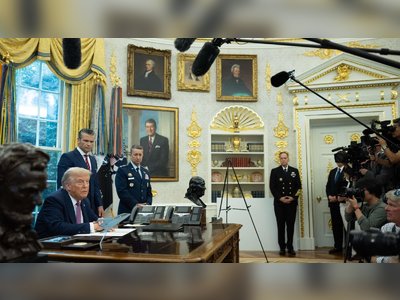
The Trump administration unveiled plans on January eighth to establish a new Department of Justice division focused on nationwide civil and criminal fraud enforcement, with a Senate-confirmed Assistant Attorney General leading the effort.
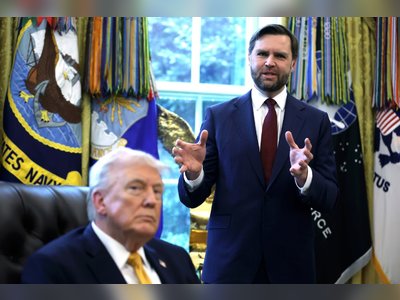
Vice President Vance and the accompanying White House materials asserted that the position would be supervised directly by the White House, with oversight from President Donald Trump and the vice president himself, representing a departure from longstanding practice of Justice Department autonomy.
Internal correspondence circulated within DOJ, however, indicates that existing fraud units in the Civil and Criminal Divisions will remain structurally intact and not be absorbed under White House direct control, with senior department leadership emphasizing collaboration rather than subordination to the new office.
Tysen Duva, the department’s Criminal Division assistant attorney general, informed fraud-section staff that their operations would continue unchanged within current DOJ divisions, and that the new assistant attorney general for fraud would build a separate office rather than subsume established components.
That internal position appears to diverge from Vance’s public remarks that the new office would be run “out of the White House,” raising questions about how the initiative will functionally coexist with traditional Justice Department structures.
The White House fact sheet accompanying the announcement outlined broad authority for the new division to coordinate multi-agency and multi-district fraud investigations and set national enforcement priorities, but did not explicitly detail the reporting chain, contributing to the confusion.
Legal experts and former DOJ officials have also noted uncertainty about how the new division will interact with, support or supplant established fraud enforcement offices in Main Justice and U.S. Attorney’s Offices nationwide.
As confirmation proceedings for the new assistant attorney general post proceed, lawmakers and observers are likely to scrutinize the precise governance model to clarify the balance between White House involvement and Justice Department independence.
The Trump administration unveiled plans on January eighth to establish a new Department of Justice division focused on nationwide civil and criminal fraud enforcement, with a Senate-confirmed Assistant Attorney General leading the effort.
Vice President Vance and the accompanying White House materials asserted that the position would be supervised directly by the White House, with oversight from President Donald Trump and the vice president himself, representing a departure from longstanding practice of Justice Department autonomy.
Internal correspondence circulated within DOJ, however, indicates that existing fraud units in the Civil and Criminal Divisions will remain structurally intact and not be absorbed under White House direct control, with senior department leadership emphasizing collaboration rather than subordination to the new office.
Tysen Duva, the department’s Criminal Division assistant attorney general, informed fraud-section staff that their operations would continue unchanged within current DOJ divisions, and that the new assistant attorney general for fraud would build a separate office rather than subsume established components.
That internal position appears to diverge from Vance’s public remarks that the new office would be run “out of the White House,” raising questions about how the initiative will functionally coexist with traditional Justice Department structures.
The White House fact sheet accompanying the announcement outlined broad authority for the new division to coordinate multi-agency and multi-district fraud investigations and set national enforcement priorities, but did not explicitly detail the reporting chain, contributing to the confusion.
Legal experts and former DOJ officials have also noted uncertainty about how the new division will interact with, support or supplant established fraud enforcement offices in Main Justice and U.S. Attorney’s Offices nationwide.
As confirmation proceedings for the new assistant attorney general post proceed, lawmakers and observers are likely to scrutinize the precise governance model to clarify the balance between White House involvement and Justice Department independence.