Focus on the BIG picture.
Friday, Mar 20, 2026
Outside the box.

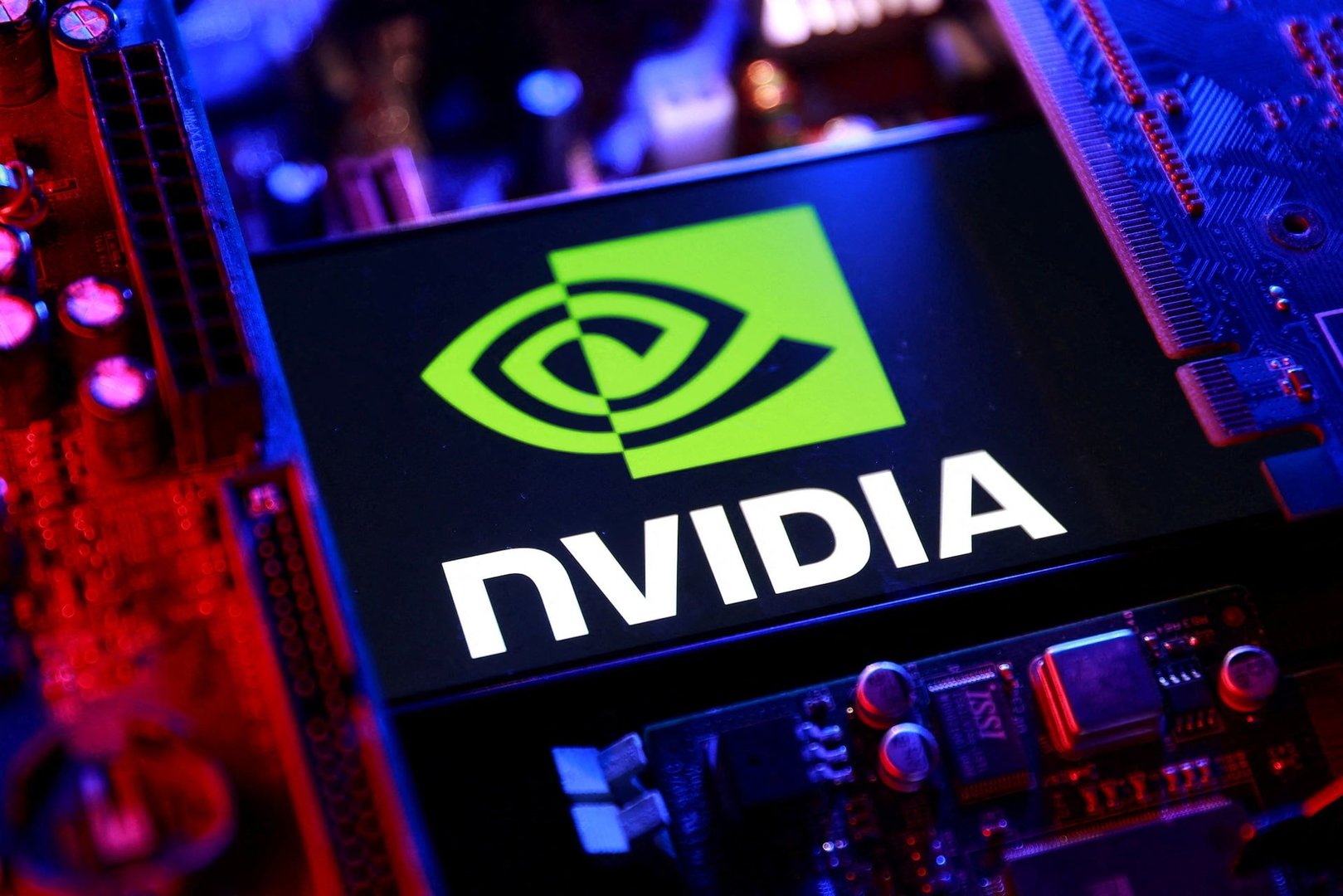
U.S. House Panel Advances Bill to Give Congress Oversight Over AI Chip Exports
House Foreign Affairs Committee overwhelmingly approves legislation empowering Congress to review and potentially block AI chip exports to strategic adversaries amid national security concerns
A U.S. House of Representatives committee took a significant step Wednesday toward expanding congressional oversight of artificial intelligence chip exports, advancing a bipartisan measure that would require review and potential restriction of sales to countries of concern, particularly China.
The House Foreign Affairs Committee voted 42-2 to move the bill forward, underscoring broad support among lawmakers for tighter controls on AI technology leaving the United States amid escalating strategic competition.
The legislation responds directly to recent decisions by the Trump administration to permit certain advanced chip sales and aims to ensure that exports of high-performance semiconductors incorporate national security considerations and legislative input.
The proposed measure — known informally as the AI Overwatch Act — would require the Department of Commerce to impose licensing requirements for the export, re-export or in-country transfer of specified classes of artificial intelligence chips and related technology.
Under its terms, Congress could effectively block a license by passing a joint resolution of disapproval, granting lawmakers a more direct role in shaping export policy previously dominated by the executive branch.
Proponents argue that advanced AI chips are critical to U.S. economic and military competitiveness, and that unchecked exports risk enabling strategic rivals to bolster their own technological and defence capabilities.
The committee’s action followed Republican and Democratic collaboration and comes as Congress weighs how to balance national security imperatives with commercial interests.
The move reflects concerns that existing export controls may not fully address the rapid pace of AI technology development, nor sufficiently involve elected representatives in decisions with long-term geopolitical implications.
Although the bill’s progress signals strong legislative momentum, its future depends on approval by the full House and subsequent action in the Senate, as well as whether House leadership brings it to the floor for a vote.
The House Foreign Affairs Committee voted 42-2 to move the bill forward, underscoring broad support among lawmakers for tighter controls on AI technology leaving the United States amid escalating strategic competition.
The legislation responds directly to recent decisions by the Trump administration to permit certain advanced chip sales and aims to ensure that exports of high-performance semiconductors incorporate national security considerations and legislative input.
The proposed measure — known informally as the AI Overwatch Act — would require the Department of Commerce to impose licensing requirements for the export, re-export or in-country transfer of specified classes of artificial intelligence chips and related technology.
Under its terms, Congress could effectively block a license by passing a joint resolution of disapproval, granting lawmakers a more direct role in shaping export policy previously dominated by the executive branch.
Proponents argue that advanced AI chips are critical to U.S. economic and military competitiveness, and that unchecked exports risk enabling strategic rivals to bolster their own technological and defence capabilities.
The committee’s action followed Republican and Democratic collaboration and comes as Congress weighs how to balance national security imperatives with commercial interests.
The move reflects concerns that existing export controls may not fully address the rapid pace of AI technology development, nor sufficiently involve elected representatives in decisions with long-term geopolitical implications.
Although the bill’s progress signals strong legislative momentum, its future depends on approval by the full House and subsequent action in the Senate, as well as whether House leadership brings it to the floor for a vote.